Retaining Walls & Concrete Masonry
Structural retaining walls and masonry construction for slope control and landscaping features.
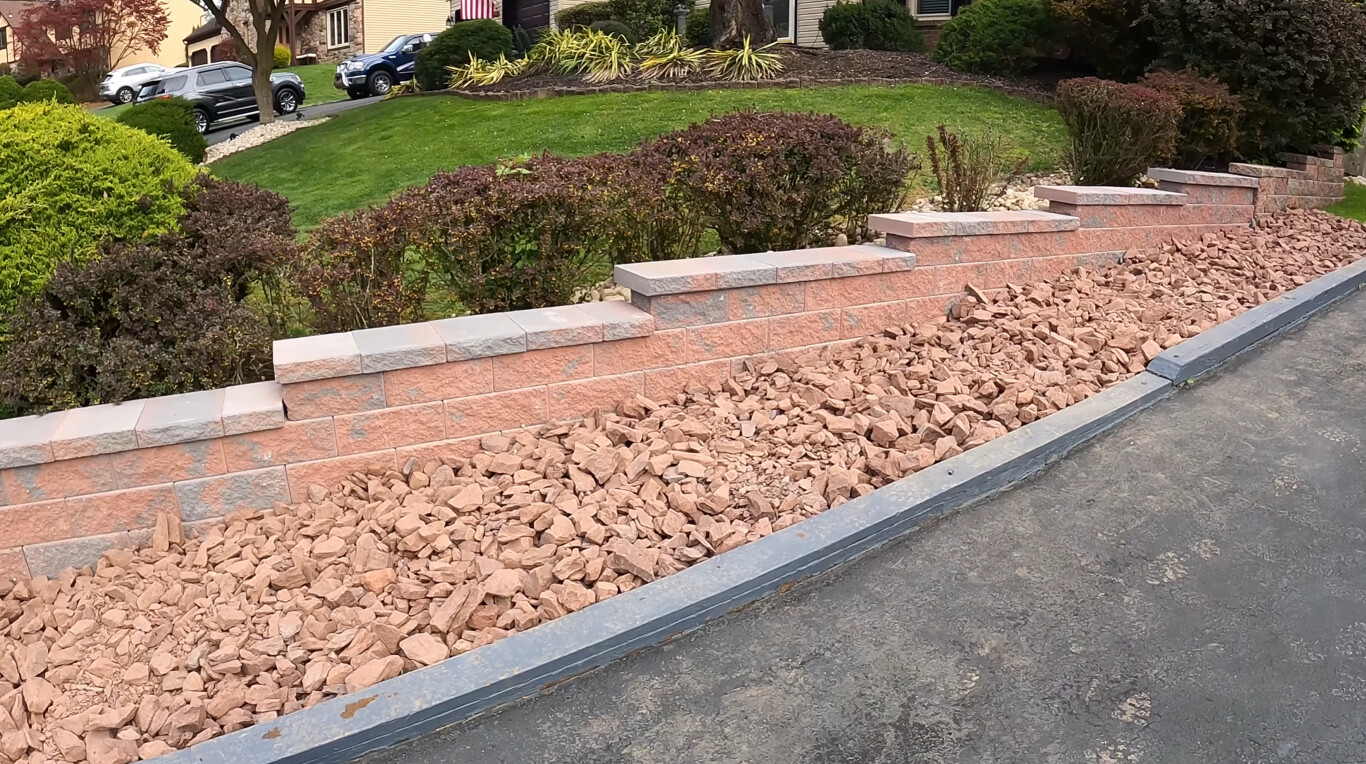
Control Slopes and Create Usable Space
Retaining walls serve an essential function on sloped properties. They hold back soil, prevent erosion, create level terraces, and transform unusable hillsides into functional outdoor spaces. Whether you need to address drainage problems, prevent soil movement, or create flat areas for landscaping and outdoor living, properly engineered retaining walls provide the structural support your property needs.
At RoadCrew Rosemead Concrete, we specialize in designing and building retaining walls and concrete masonry structures that combine structural integrity with attractive appearance. We handle everything from low garden walls to taller structural walls that require engineering and permits. Our work meets California building codes and provides reliable, long-lasting slope control.
Retaining walls aren't just functional structures. They can become beautiful landscape features that add depth, dimension, and visual interest to your property. We create walls that work with your landscape design while providing the structural performance you need. Our team serves homeowners and commercial clients throughout Rosemead with professional retaining wall construction that solves slope problems and enhances property usability.
Types of Retaining Walls We Build
Different situations call for different retaining wall solutions. We evaluate your slope height, soil conditions, drainage patterns, and aesthetic preferences to recommend the best wall type for your project. Here are options we commonly work with:
- •Poured Concrete Walls: Reinforced concrete walls with steel rebar for maximum strength and durability, ideal for taller walls and heavy load situations.
- •Concrete Block Walls: A block retaining wall built with CMU (concrete masonry unit) blocks provides excellent strength with faster installation than poured concrete.
- •Decorative Masonry Walls: Walls finished with stone veneer, stucco, or decorative block for attractive appearance with structural performance.
- •Terraced Wall Systems: Multiple shorter walls creating stepped terraces on steep slopes for better stability and usable flat areas.
- •Garden and Seat Walls: Lower decorative walls for landscape definition, raised planters, or integrated seating areas.
Walls over 4 feet tall typically require engineering and permits in California. We coordinate with structural engineers and building departments to ensure your wall meets all requirements. If your project also needs foundation work or concrete walkways, we can integrate those elements seamlessly with your retaining wall construction.
Critical Elements of Retaining Wall Design
A retaining wall must withstand significant forces from the soil it's holding back, including pressure from the soil itself, water saturation, and sometimes seismic loads. Poor wall design or construction leads to failure including leaning, cracking, or complete collapse. That's why proper engineering and construction techniques are non-negotiable for retaining walls.
Foundation is the first critical element. The wall must rest on stable, properly compacted soil or a concrete footing that extends below the frost line and provides adequate bearing capacity. The foundation must be wide enough and deep enough to resist the overturning and sliding forces the wall will experience. We never cut corners on foundation work because that's where most wall failures originate.
Drainage is equally important. Water building up behind a retaining wall dramatically increases pressure and can cause failure even in well-built walls. We install proper drainage systems including weep holes, drainage pipes, and gravel backfill to channel water away from the wall. Good drainage extends wall life and prevents the soil movement and saturation that leads to problems. These details make the difference between a wall that lasts decades and one that fails within a few years.
The Retaining Wall Construction Process
Retaining wall projects begin with site assessment and design. We evaluate your slope, soil type, drainage patterns, and property constraints. For taller walls, we work with structural engineers to develop plans that meet code requirements. We obtain necessary permits and coordinate inspections as required by local building departments.
Construction starts with excavation for the wall footing. We dig to stable soil, build forms, place reinforcement, and pour the footing. After the footing cures, we build the wall itself using poured concrete or concrete blocks with proper reinforcement. We install drainage systems as the wall goes up, ensuring water can escape rather than building pressure behind the wall.
After the wall is built and has cured properly, we backfill with proper drainage materials and compact carefully to avoid damaging the wall. Final steps include applying any decorative finishes, installing caps or coping, and integrating the wall with your landscape. Timeline varies based on wall height and length but typically ranges from a few days for small walls to several weeks for larger structural walls. Contact us today for a free consultation on your retaining wall project.
Frequently Asked Questions
Need a Retaining Wall Solution?
Get a free consultation for your retaining wall or masonry project. We'll assess your slope, discuss design options, and provide a detailed quote.
Call (626) 416-2610 Today